SURFACE WATER COLLECTION SOLUTIONS
Surface Drainage Installation in Spring, TX
Does rainwater collect in low lawn areas or spread across your walkways? Drain Forge provides surface drainage installation in Spring, TX, using catch basins, grated inlets, and channel drains to collect runoff where it accumulates. Our team plans collection points around your property’s surface elevations and drainage requirements.
Years of Experience
Projects Finished
Happy Clients
Customer Satisfaction
MANAGING WATER ABOVE GROUND
Stop Rainwater From Collecting in the Wrong Places
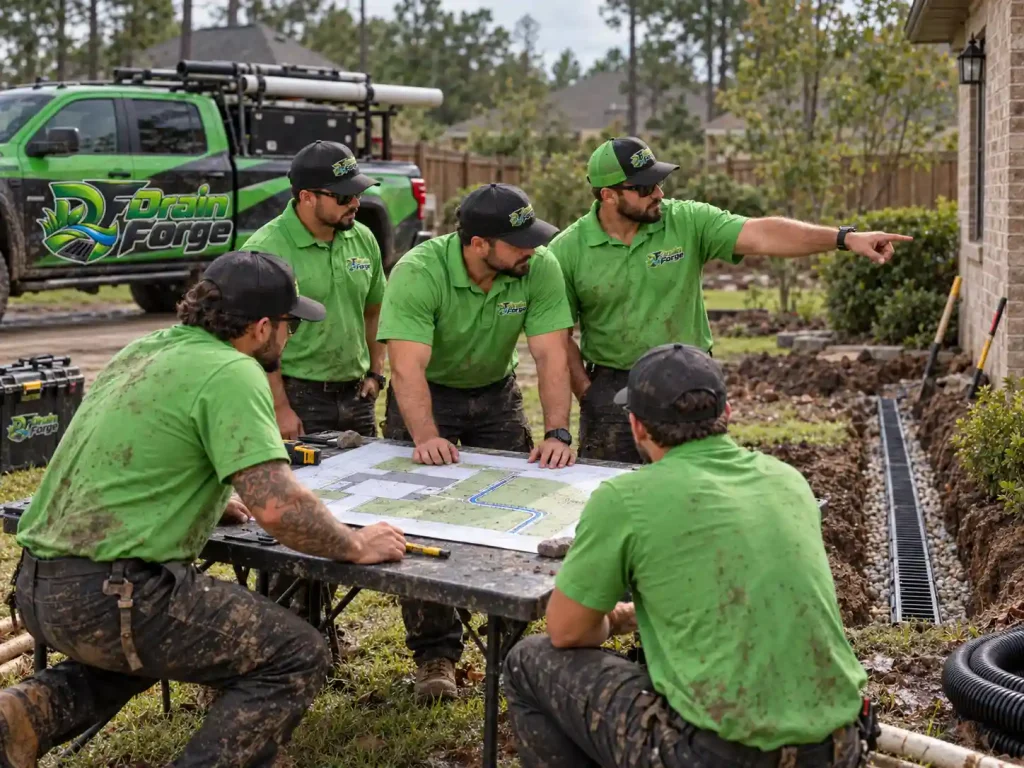
Rainwater follows the contours of your property. When runoff reaches a low section without a suitable collection point, it can remain on the surface, spread across walking areas, or collect along landscaped edges.
Surface drainage systems capture that water through strategically placed grates and inlets. Catch basins collect runoff at concentrated low points, while channel drains intercept water along defined paths.
Drain Forge evaluates how water travels across the affected area, where it gathers, and how an installed collection system can convey it toward an appropriate outlet.
COMMON SURFACE WATER PROBLEMS
Where Surface Drainage Installation Can Help
Rainwater Pooling
Low sections of grass can collect runoff from surrounding ground. A correctly positioned catch basin can provide a collection point where surface water gathers and connect it to a planned drainage line.
Water Collecting
Rainwater may accumulate where a paved walkway meets surrounding landscaping. A properly positioned channel drain can intercept runoff across a defined edge and move the collected water into a connected system.
Runoff Gathering
Surface water can follow shallow contours toward fences, planting beds, and lawn boundaries. Strategically placed grated inlets may collect concentrated runoff before it spreads across the adjoining area.
SURFACE DRAINAGE COMPONENTS
How Surface Drainage Systems Collect Runoff
A surface drainage system combines visible collection openings with connected drainage lines. Each component serves a specific role in capturing and transporting water from the ground surface.
Basins Collect Water
A catch basin receives runoff through a grated opening and directs it toward a connected drainage line. Proper basin placement helps capture water where it naturally converges.Basin size, grate selection, and pipe connections depend on the intended collection area.
Grated Inlets Capture
Grated surface inlets provide defined entry points within lawns and landscaped areas. Correct elevation allows approaching runoff to enter the openings instead of remaining on the surrounding grass.Grates should also accommodate normal yard use and accessible debris removal.
Channel Drains Intercept
Channel drains create a continuous collection opening across an appropriate paved edge or surface-flow path. Their elongated design helps capture water along a line rather than at one concentrated point.A suitable channel layout includes proper support, grate alignment, and a connected drainage outlet.
INSTALLATION CONDITIONS
What Determines an Effective Surface Drainage Layout?
The success of a surface drainage installation depends on how water reaches its collection points and how the system handles the collected runoff.
Surface Elevations
Water moves toward lower ground. We examine the surrounding lawn, pavement, and landscape edges to position collection openings where runoff can reach them.An inlet that sits too high may leave water collecting beside its grate.
Collection Area
The amount of runoff reaching a drain depends on the contributing surface area, rainfall, and drainage conditions. Inlet dimensions, connected pipe capacity, and outlet limitations all influence the system layout.Separate low spots may require more than one collection point.
Grate Selection
The right grate must allow water entry while accommodating the surrounding area’s use. Leaves, mulch, and grass clippings can obstruct openings, so placement and accessibility matter.The connected drainage line also needs a feasible discharge route.
OUR SURFACE DRAINAGE INSTALLATION PROCESS
How We Install Surface Drainage Systems

Identify Runoff Collection Areas
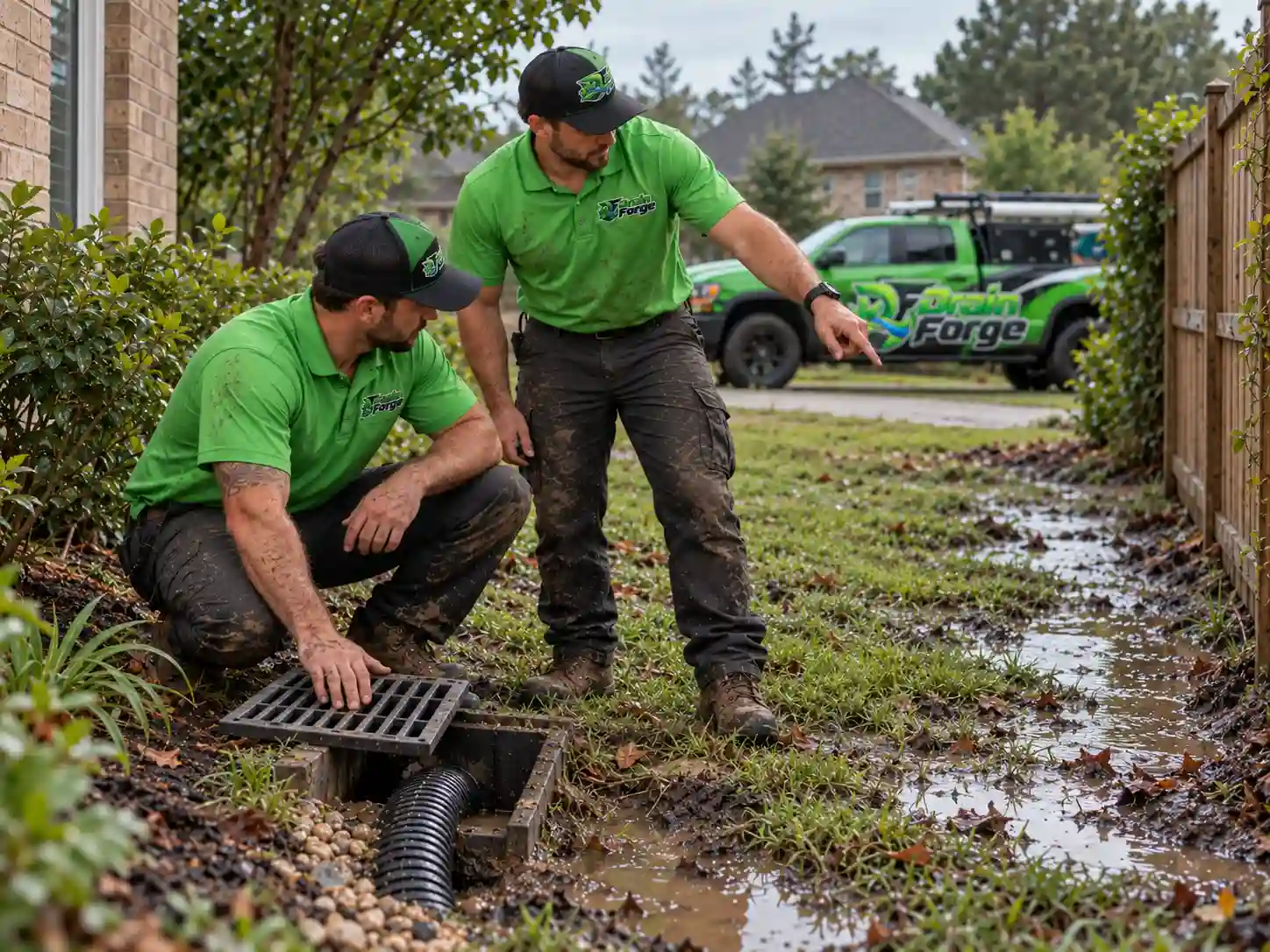
We examine where rainwater flows, which surfaces contribute runoff, and where water gathers. These observations help establish practical collection locations.
Plan Inlet Positions and Connections
Our team selects suitable catch basin or channel drain locations while considering grate elevations, collection requirements, surrounding surfaces, and the available discharge route.

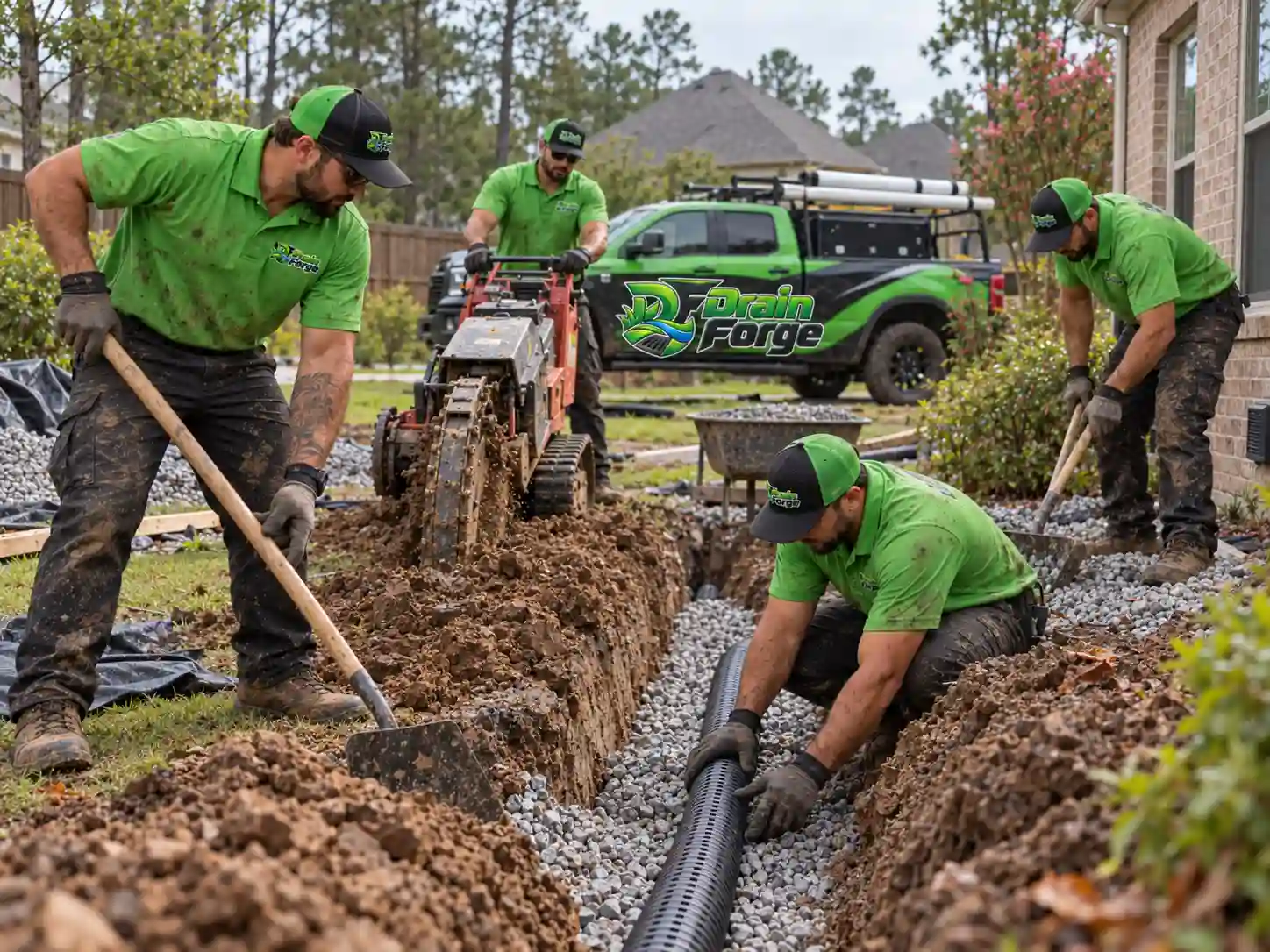

Install the Collection System
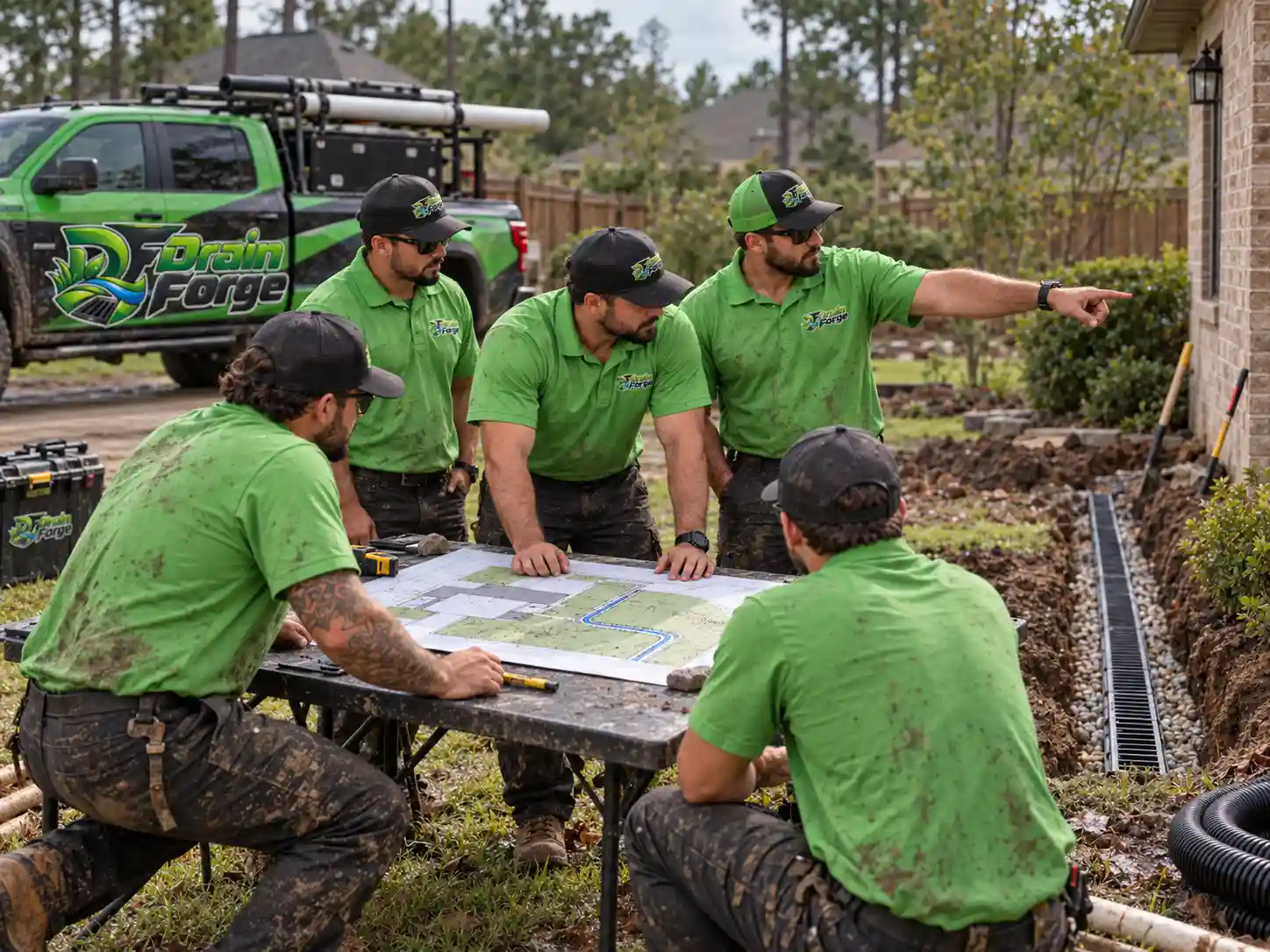
We prepare the approved installation areas, position the selected drainage components, connect the necessary piping, and address surrounding surfaces according to the project plan.
Review Drainage Connections
We check accessible inlets, grate alignment, pipe connections, and the intended outlet route. We also complete the agreed finishing work around the installation areas.

Why Choose Drain Forge for Surface Drainage Installation?

Collection Points
We examine where rainwater travels across the property before recommending inlet locations. This helps align surface drainage components with the areas that actually collect water.

Careful Grate
Small elevation differences can affect how efficiently water enters a drain. We account for surrounding lawn and pavement levels when planning surface inlet placement.

Clear Installation
Our team explains the proposed collection points, connected drainage lines, affected surfaces, and finishing work so you understand the installation scope before work begins.
TESTIMONIALS
What Homeowners Say About Our Yard Drainage Work
★★★★★
Our backyard used to hold water after every heavy storm. The drainage work made a noticeable difference, and the whole process was explained clearly.
★★★★★
We needed a solution for our constantly soggy lawn. The crew explained the French drain installation and kept us informed throughout the project.
★★★★★
Our existing drainage system wasn’t working properly. The problem was identified, the necessary repairs were explained, and the experience was straightforward from start to finish.
★★★★★
Communication was clear, the crew treated our property with care, and we understood what was being done to address the drainage problem.
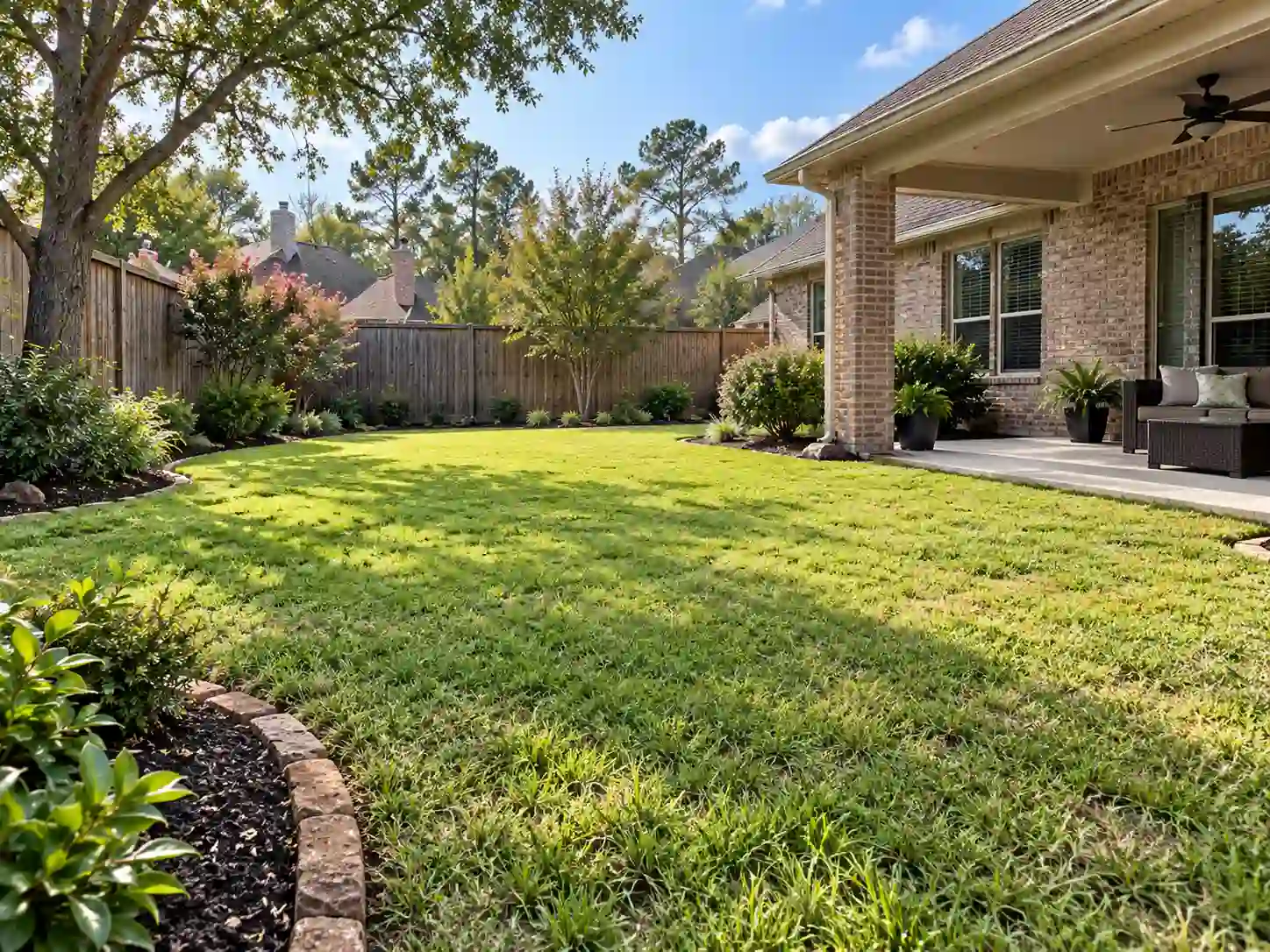
See How Surface Drains Fit Into Residential Yards
Surface drainage installations remain visible after completion. These examples illustrate how different collection components can integrate with lawns, walkways, and landscaped areas.
SPRING-AREA SURFACE DRAINAGE SERVICES
Surface Drainage Installation Around Spring, TX
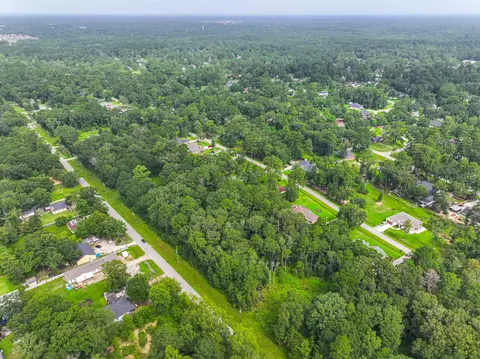
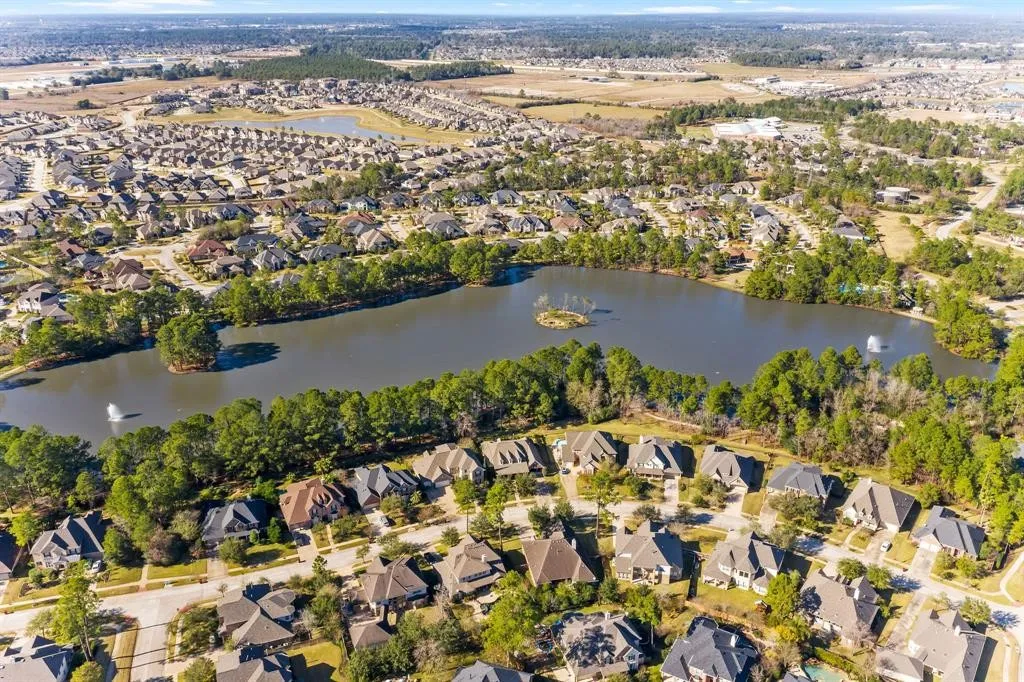
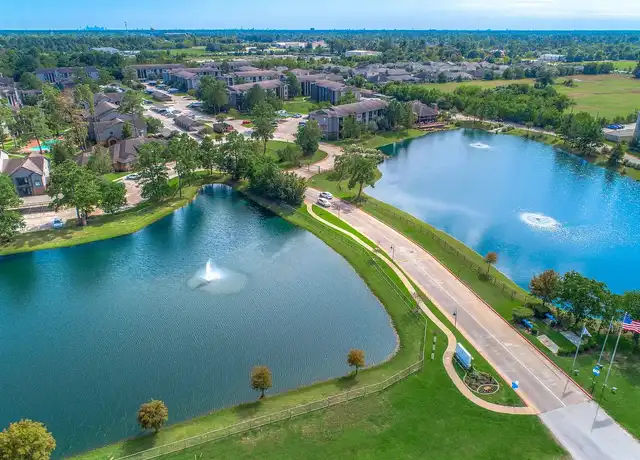
Residential properties throughout the Spring area have different lawn elevations, paved surfaces, and landscape arrangements. These conditions affect where rainwater gathers and how surface collection systems should connect to a suitable outlet.Drain Forge handles surface drainage enquiries throughout its Spring-area service network. Our team considers the property’s collection areas, access conditions, and drainage requirements before recommending an installation.Share your property address to confirm service availability and discuss the areas where runoff accumulates. You can also call (229) 666-0167 to speak with our team.



SURFACE DRAINAGE INSTALLATION FAQS
Surface Drainage Questions Spring Homeowners Ask
Have questions? Use these accordion items as the editable FAQ framework.
Where should a catch basin be installed in my yard?
A catch basin generally belongs where surface runoff naturally collects. The surrounding ground must guide water toward its grate, and the basin needs a suitable drainage connection and outlet.
Can a surface drain collect water from a low lawn area?
Yes. A correctly positioned grated inlet can collect runoff from a lawn depression when surrounding elevations direct water into the opening and the connected system provides adequate drainage.
When should a channel drain be used?
A channel drain may suit areas where runoff travels across a defined line, such as certain patio or walkway edges. Its position and connected outlet determine how effectively it collects water.
Does a surface drain need a pipe connection?
A conventional catch basin or channel drain typically needs a suitable route to convey collected water away from the inlet. The connection and outlet must support the planned drainage function.
Can multiple catch basins connect to one drainage line?
Yes, when the system design supports the combined flow. Inlet placement, pipe capacity, drainage elevations, and outlet conditions determine whether multiple collection points can share a line.
Should a surface drain grate sit level with the lawn?
The grate should align with the intended collection elevation so approaching runoff can enter it. The surrounding lawn also needs appropriate grading without creating an unsafe or obstructive edge.
CONTACT US
Ready to Transform Your Outdoor Space?
Use this section for the final conversion message, service-area summary, phone number and a direct quote request.